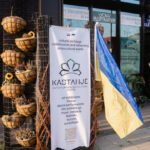
The ceremonial opening was attended by the Ambassador of Ukraine to the Kingdom of the Netherlands, Mr. Oleksandr Karasevych, together with his spouse, underscoring the cultural and diplomatic significance of the exhibition.
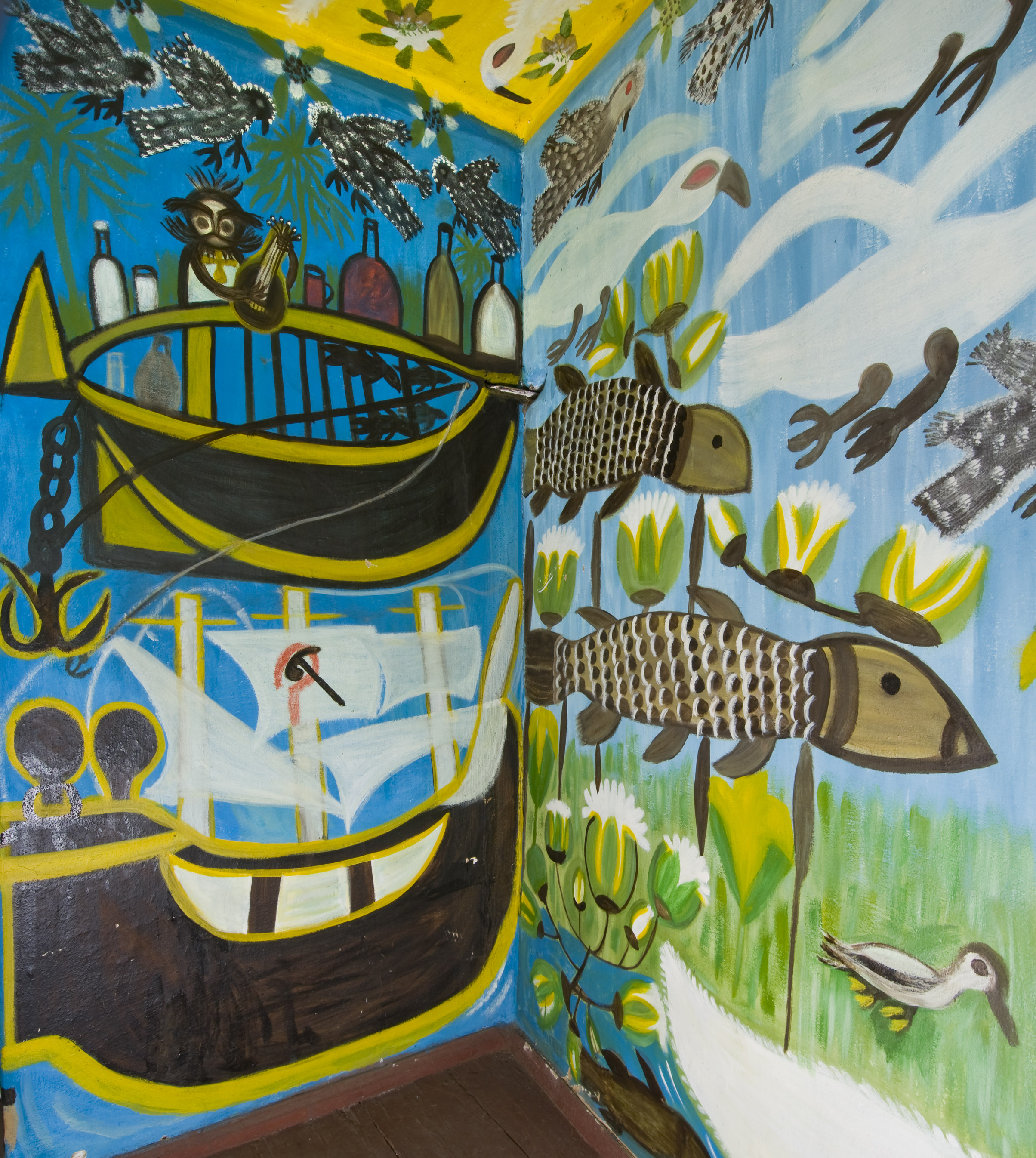
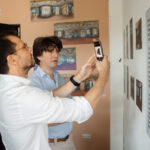
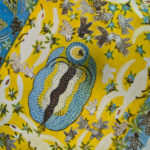
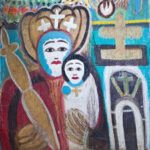
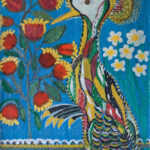
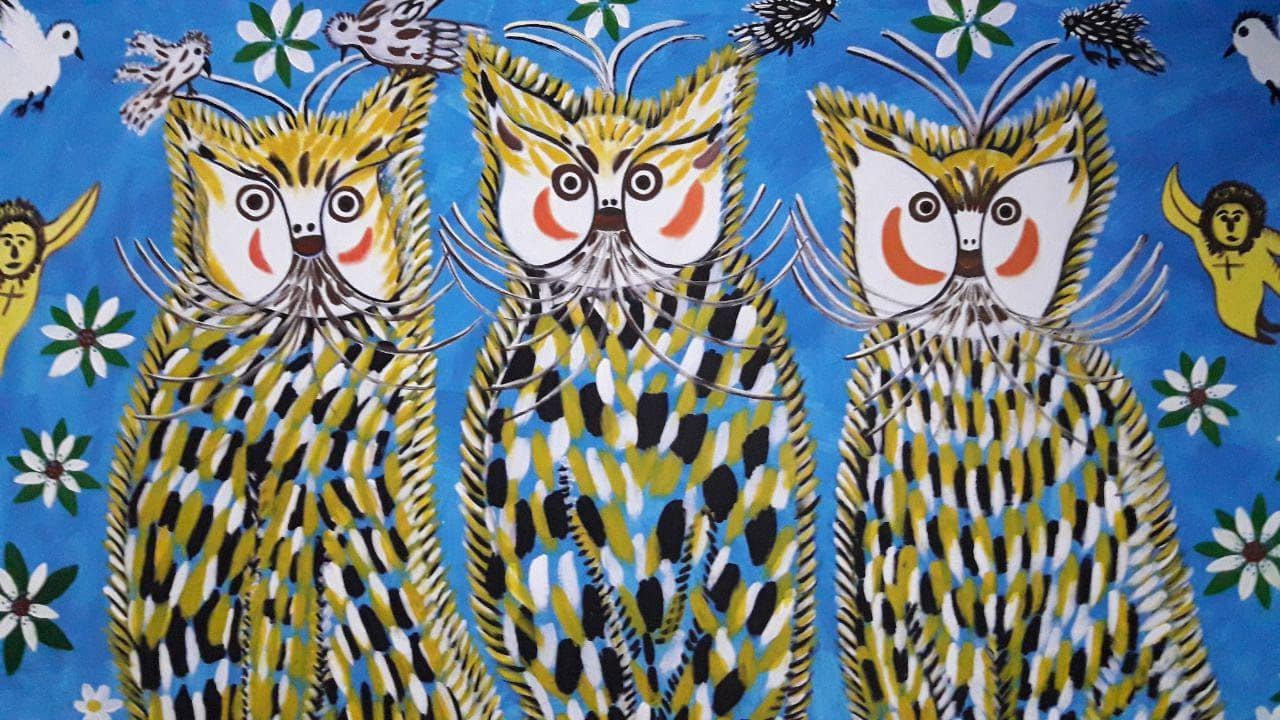
This unique project commemorated the war-damaged heritage of Polina Raiko, a self-taught Ukrainian muralist whose art was tragically lost after the russian destruction of the Kakhovka Dam. The exhibition expanded upon and complemented the earlier project presented at the National Centre Ukrainian House in Kyiv. It featured archival photographs of Raiko’s home, texts and research on her art and symbolism, documentary films created during her lifetime and afterward, as well as, for the first time, a unique VR tour of the painted house, recorded before the disaster.
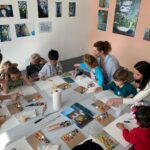
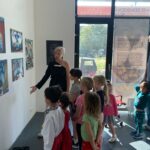
The program included curatorial tours, English-language lectures on global naive art and Polina Raiko’s place within it, and creative workshops for children. At the closing event, the audience was introduced to a special fashion collection by Kherson designer Nataliia Ryzhenko, who had once personally visited Raiko’s painted house and created this collection specifically for the Amsterdam project. A performance by the Makivka Choir, combined with a fashion show, brought together a diverse international audience. Owing to the extensive and varied cultural program, the exhibition resonated widely with visitors.
Over the course of the event, participants explored Raiko’s artistic vision and the importance of preserving cultural memory, resulting in meaningful learning and emotional connection. Attendees had the opportunity to engage deeply with Ukrainian cultural heritage — a tribute to resilience and historical remembrance.
The exhibition was made possible thanks to the support of Nederlands Letterenfonds, in collaboration with UWRA, the Embassy of Ukraine, Ukrainian House Kyiv, Center of cultural development Totem, and Polina’s Raiko Foundation.